
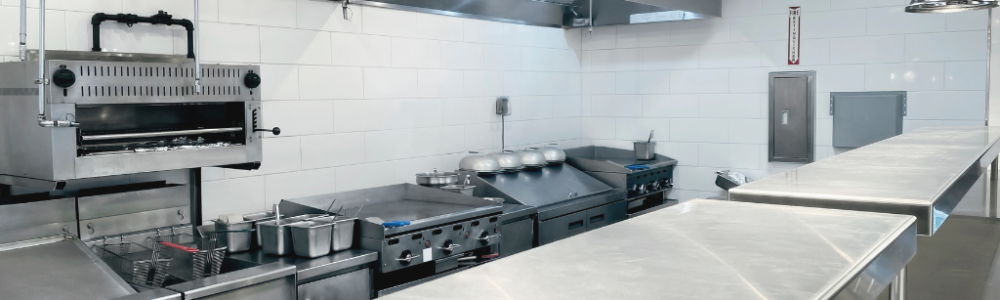
When planning a tenant improvement or commercial construction project, selecting the right equipment may seem straightforward. However, overlooking whether equipment is CSA-approved can stall your project. Recently, more businesses have turned to offshore suppliers to cut costs. While the savings are appealing, imported items often arrive without the required CSA Group certification for electrical, mechanical, and specialized equipment used in commercial and industrial spaces across British Columbia and Canada.
Without this certification, you may face a lengthy technical safety inspection, unexpected replacement costs, or a complete halt to the project until compliance is achieved. For businesses aiming to open, welcome tenants, or resume operations, these delays can be expensive and frustrating.
This is exactly why choosing CSA-approved equipment and partnering with an expert commercial construction firm that understands these requirements is essential to keeping your build on schedule and within budget.
The Rise of Offshore Equipment—and Its Risks
As material and equipment costs climb, more businesses are sourcing products from the U.S., Europe, and Asia to reduce expenses. Industrial equipment like HVAC units, electrical panels, lighting components, commercial kitchen equipment, and automation systems can often be purchased at much lower prices from offshore vendors.
The challenge is that many offshore manufacturers are not familiar with Canada’s stringent safety requirements. Even if equipment is certified in its country of origin, such as CE, UL, or ETL marks, it may not meet CSA-specific standards.
When equipment arrives without a valid CSA approval mark:
- It cannot legally be installed until it is certified
- It may require field evaluation by a recognized inspector
- It may need modifications to meet Canadian standards
- It may ultimately need to be replaced entirely
An early cost-saving decision can quickly become a budget-draining detour.
How to Identify CSA-Approved Equipment
To confirm that your equipment is compliant, look for clear indicators that it meets Canadian safety standards. The most reliable sign is the presence of an official CSA mark directly on the product. Equipment may also display an approval label from an accredited certification agency recognized in Canada, such as ULc or ETLc, which is authorized to certify products to Canadian standards. In addition to physical markings, manufacturers should provide documentation confirming that the product meets Canadian requirements specifically, not just general North American or international standards.
A common misconception is that certifications like the ones above automatically guarantee compliance in Canada. They do not. Only certification bodies accredited by the Standards Council of Canada and identified as such on the product are valid for Canadian installations.
If you’re unsure how to verify that a product is legitimately CSA approved, a knowledgeable construction partner should walk you through the approval markings, technical documentation, and procurement considerations before any equipment is purchased or delivered to the site.
Technical Safety Inspections: How They Can Halt Your Project
If non-CSA-approved equipment arrives on-site and installation proceeds, a Technical Safety BC (TSBC) inspector or authority or city inspector may flag it during inspection. Sometimes, a random safety audit during construction can uncover uncertified equipment before installation is complete.
When this happens, you may be required to:
- Remove the equipment
- Replace critical components of the equipment
- Halt work in that area or the entire site
- Request a field safety evaluation
- Wait for an accredited inspector to confirm compliance
Field evaluations can take weeks, sometimes longer, during peak construction seasons or if modifications are extensive. If equipment must be replaced, lead times can extend delays, pushing back your occupancy date and increasing costs from downtime, labour rescheduling, or stalled tenant agreements.
What Equipment Needs Safety Inspection and What Doesn’t?
Understanding what requires CSA approval can help your team focus attention where it matters most.
Equipment That Requires CSA Certification or Field Approval
- Electrical panels and switchgear
- HVAC units and heat pumps
- Commercial lighting systems
- Boilers and specialized mechanical equipment
- Industrial processing and manufacturing equipment, control panels
- Commercial kitchen equipment (ovens, dishwashers, hoods with electrical components)
- Automation systems and sensors
- Specialized lab, health, and research equipment
Equipment That Typically Does NOT Require CSA Approval
- Basic structural materials (lumber, studs, drywall)
- Non‑electrical fixtures
- Furniture and millwork produced within Canada
- Shelving, racking, and storage systems without powered components
In general, anything that plugs in, wires in, or integrates into an electrical or mechanical system must be CSA approved. Construction teams often encounter issues when clients supply their own offshore equipment without verifying compliance. This can become a critical delay that is out of contractor control and often increases scope of the project.
How Non‑CSA Equipment Derails Your Project
A single piece of non‑certified equipment can trigger a chain of delays and additional costs. Without proper CSA approval, it can fail a Technical Safety BC inspection, which immediately stalls progress and prevents electrical or mechanical systems from being signed off. Those inspection failures often stop occupancy permits from being issued, forcing teams to pause work until the issue is resolved. In many cases, contractors must redo completed work, reorder compliant equipment, and bring trades back to correct the installation, adding unexpected labour costs and scheduling conflicts. These disruptions interrupt the overall project sequence, affect subcontractor timelines, and create additional administrative and logistical pressure.
Beyond delays, non‑compliant equipment introduces unnecessary legal and safety risks. If a non‑CSA‑approved product is installed and later causes an incident (such as overheating, fire, or electrical failure), your business may face serious exposure in terms of insurance, liability, and regulatory non‑compliance. What seems like a minor oversight in procurement can quickly escalate into a costly, highly disruptive problem for your entire commercial or industrial construction project.
Why Working With an Expert Commercial Construction Partner Matters
This is where a knowledgeable construction partner makes a measurable difference.
A qualified partner like IDR Commercial Construction will:
1. Help You Select CSA-Approved Equipment
Your team should vet equipment before purchase, verify that CSA markings are legitimate, and ensure compliance with BC building codes, electrical codes, and Technical Safety BC standards.
2. Mitigate Compliance Issues
If you have already purchased offshore or non‑certified equipment, an experienced contractor can guide you through:
- Field evaluation requests
- Necessary modifications
- Alternative approved equipment options
- Coordination with TSBC
3. Keep Your Project on Schedule
By preventing delays and efficiently managing issues if they arise, your construction partner protects your completion date, tenant commitments, and the overall project budget.
Avoiding Delays by Prioritizing CSA-Approved Equipment
Selecting CSA-approved equipment is not just a compliance checkbox; it is an important part of keeping your commercial construction project on track. While offshore equipment may seem like a cost-saving shortcut, improper certification can trigger inspection failures, delay occupancy, and introduce unexpected expenses.
An experienced commercial construction partner will help you navigate CSA requirements from the start, saving you time, money, and stress, and ensuring your project moves smoothly from concept to completion. Want to talk about commercial construction? Reach out today.